I make this ragu Bolognese when I want a sauce so rich, creamy, and deeply savory that jarred pasta sauce never stands a chance. One spoonful tells you this is the meat sauce worth waiting for.
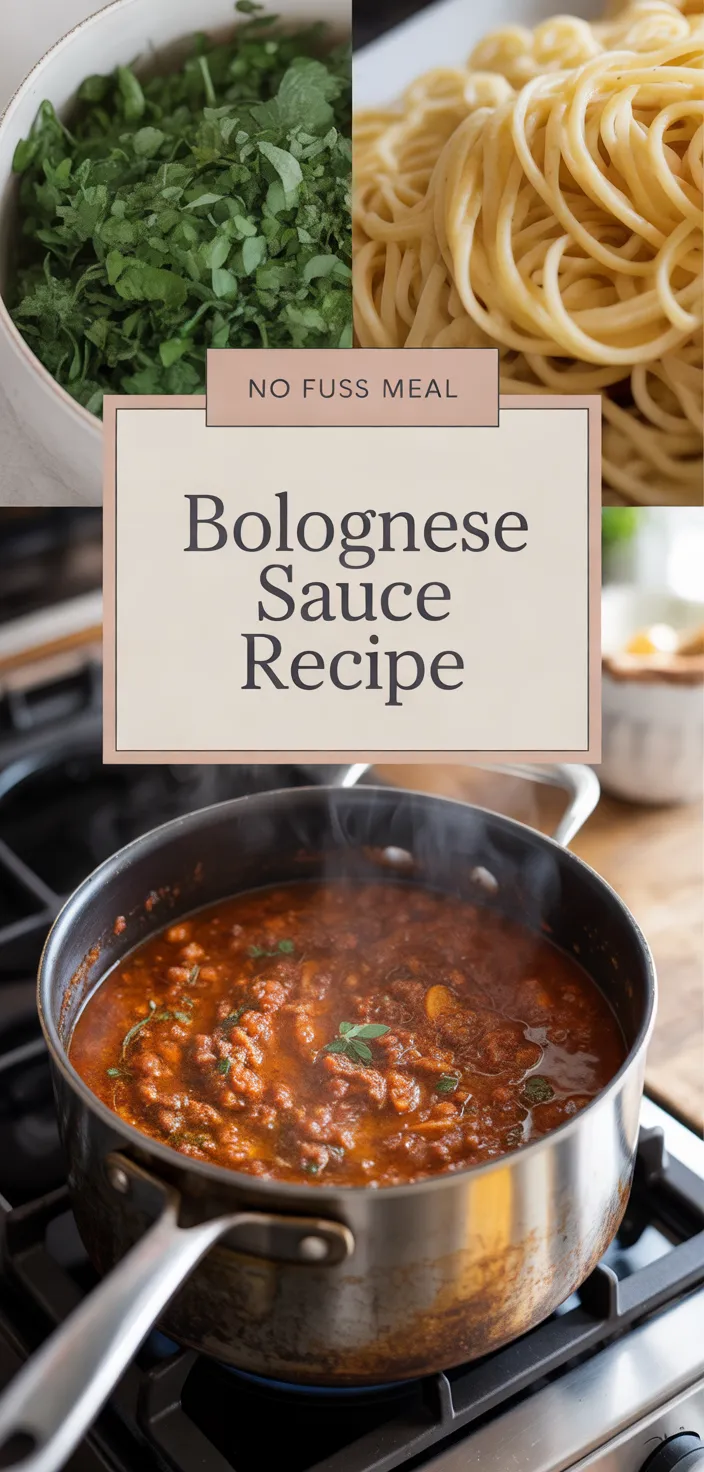
I’m obsessed with this Bolognese because it tastes like the sauce I always wanted jarred pasta sauce to be, but never is. Rich, creamy, and seriously meaty, with that slow-simmered depth that clings to every twist of pasta instead of sliding off like tomato water.
I love how ground beef brings the hearty bite, while whole milk rounds everything out into this silky, savory ragu that feels restaurant-level without acting precious. And the flavor just keeps getting better as it sits.
Leftovers? Dangerous.
I’ll eat it over noodles, spoon it onto bread, or steal bites cold straight from the fridge.
Ingredients
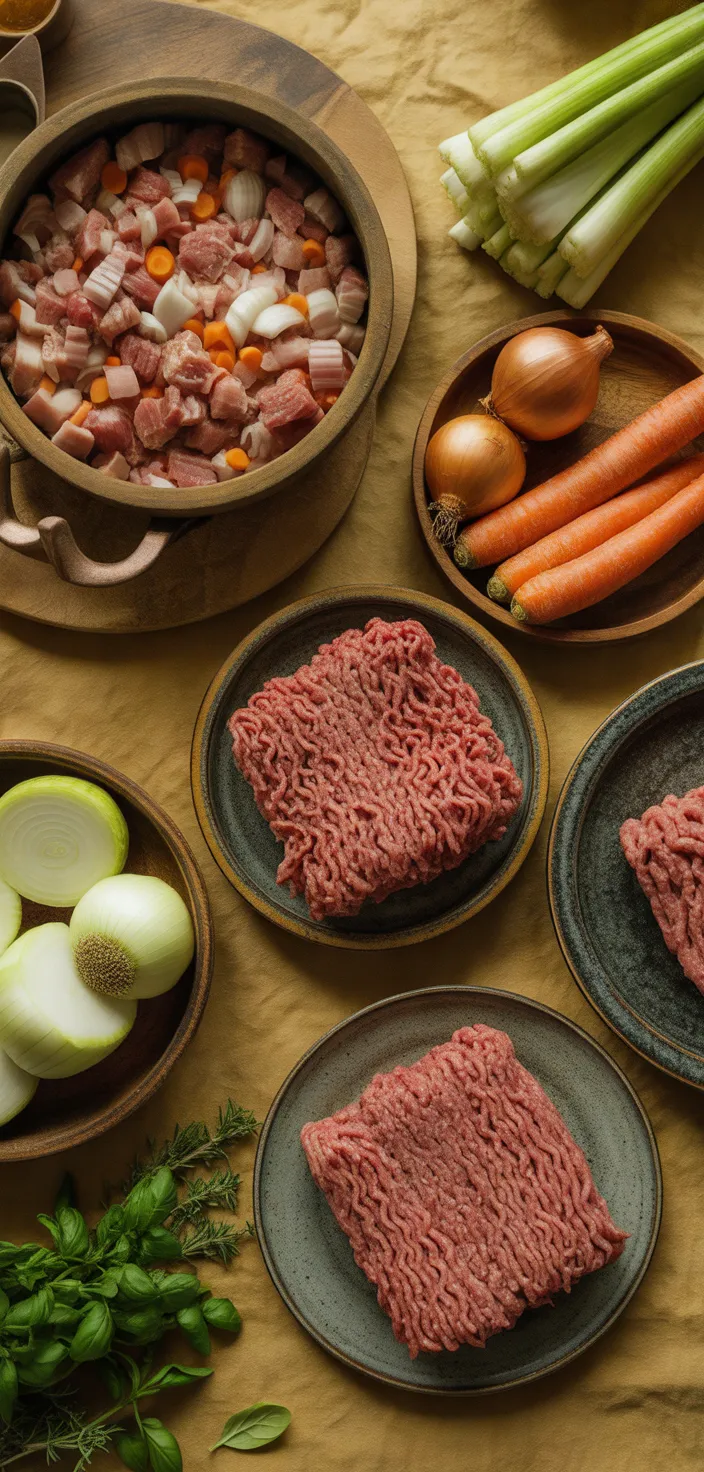
- Olive oil gets things going and adds a soft, savory base.
- Butter brings richness, because honestly, Bolognese should feel cozy.
- Pancetta adds salty little bites that make the sauce taste slow-cooked.
- Onion melts down and gives the whole thing a sweet backbone.
- Carrots add gentle sweetness, not a weird veggie taste.
- Celery keeps it balanced, so it’s not too heavy.
- Garlic makes everything smell like dinner’s about to be amazing.
- Ground beef brings the hearty, stick-to-your-ribs part.
- Ground pork adds tenderness and a little extra juicy flavor.
- Milk softens the meat and makes the sauce feel smoother.
- Nutmeg sounds fancy, but it’s just warm and subtle.
- White wine adds brightness, so the sauce doesn’t taste flat.
- Tomato paste gives deep, cooked-down tomato flavor.
- Stock keeps everything saucy while it simmers away.
- Plus, Parmigiano at the end makes it taste finished.
Ingredient Quantities
- 2 tablespoons olive oil
- 2 tablespoons unsalted butter
- 4 ounces pancetta or unsmoked bacon, finely chopped
- 1 large onion, finely chopped (about 1 1/2 cups)
- 2 medium carrots, finely chopped (about 1 cup)
- 2 celery stalks, finely chopped (about 1/2 cup)
- 3 garlic cloves, minced
- 1 pound ground beef (85 percent lean)
- 1/2 pound ground pork
- 1 cup whole milk
- 1/2 teaspoon freshly grated nutmeg
- 1 cup dry white wine
- 2 tablespoons tomato paste
- 1 14-ounce can crushed tomatoes or tomato passata
- 1 to 1 1/2 cups beef or chicken stock
- 1 bay leaf
- Salt, to taste (about 1 to 1 1/2 teaspoons total)
- Freshly ground black pepper, to taste
- Freshly grated Parmigiano Reggiano, for serving
How to Make this
1. Heat olive oil and butter in a large heavy saucepan over medium heat until butter foams, then add pancetta or bacon and cook until it renders fat and becomes lightly golden, about 3 to 5 minutes.
2. Add the finely chopped onion, carrots, and celery and cook over medium-low heat, stirring often, until the vegetables are very soft and starting to caramelize, about 10 to 15 minutes.
3. Stir in the minced garlic and cook 30 to 60 seconds until fragrant.
4. Increase heat to medium-high, add the ground beef and ground pork, break up with a spoon, and brown thoroughly until no pink remains and any liquid has evaporated, about 8 to 10 minutes.
5. Pour in the whole milk and add the freshly grated nutmeg; simmer gently, stirring occasionally, until the milk has mostly evaporated, about 8 to 10 minutes. Season lightly with some of the salt and pepper.
6. Add the dry white wine and simmer until it has mostly reduced, about 5 to 7 minutes.
7. Stir in the tomato paste and cook 1 to 2 minutes, then add the crushed tomatoes or passata, bay leaf, and 1 cup of the stock. Bring to a gentle simmer.
8. Reduce heat to very low, partially cover, and simmer gently for at least 1 1/2 to 2 hours, stirring occasionally and adding more stock as needed to keep a loose, spoonable consistency; season with remaining salt and more pepper to taste.
9. Remove and discard the bay leaf. Serve the Bolognese spooned over pasta or polenta, finishing with freshly grated Parmigiano Reggiano.
Equipment Needed
1. Large heavy saucepan or Dutch oven
2. Chef knife
3. Cutting board
4. Wooden spoon or stiff spatula
5. Measuring cups and spoons
6. Box grater or microplane for nutmeg and cheese
7. Can opener
8. Ladle or large serving spoon
9. Small bowl or measuring cup for holding stock and wine before adding
FAQ
Bolognese Sauce Recipe Substitutions and Variations
- Pancetta or unsmoked bacon: use guanciale for richer pork flavor, or smoked bacon for a smokier note
- Ground beef: swap for ground veal for a milder texture, or all pork for a fattier, sweeter sauce
- Whole milk: use half and half for a creamier finish, or unsweetened soy milk for a dairy free option
- Dry white wine: replace with dry vermouth for similar acidity, or use extra stock plus 1 tablespoon white wine vinegar
Pro Tips
– Use a wide, heavy pan so the meat and veg have plenty of surface area to brown and the liquid can reduce evenly. Better evaporation means deeper, concentrated flavor without overcooking the meat.
– Don’t rush the milk and wine stages. Let the milk mostly evaporate before the wine goes in, and reduce the wine well. Those slow reductions mellow acidity and build layers of flavor.
– Add a Parmigiano rind to the sauce during the long simmer and remove it before serving. It contributes savory umami and a subtle richness that grated cheese alone can not supply.
– Keep the heat very low during the long simmer and stir occasionally. Gentle simmering prevents the sauce from drying out or scorching while letting connective tissue break down into silkiness. Add stock gradually to keep a loose, spoonable consistency.
– Make it a day ahead if you can. Bolognese tastes better after resting in the fridge overnight; reheat gently and you will notice the flavors have married and deepened.
Bolognese Sauce Recipe
I make this ragu Bolognese when I want a sauce so rich, creamy, and deeply savory that jarred pasta sauce never stands a chance. One spoonful tells you this is the meat sauce worth waiting for.
6
servings
515
kcal
Equipment: 1. Large heavy saucepan or Dutch oven
2. Chef knife
3. Cutting board
4. Wooden spoon or stiff spatula
5. Measuring cups and spoons
6. Box grater or microplane for nutmeg and cheese
7. Can opener
8. Ladle or large serving spoon
9. Small bowl or measuring cup for holding stock and wine before adding
Ingredients
-
2 tablespoons olive oil
-
2 tablespoons unsalted butter
-
4 ounces pancetta or unsmoked bacon, finely chopped
-
1 large onion, finely chopped (about 1 1/2 cups)
-
2 medium carrots, finely chopped (about 1 cup)
-
2 celery stalks, finely chopped (about 1/2 cup)
-
3 garlic cloves, minced
-
1 pound ground beef (85 percent lean)
-
1/2 pound ground pork
-
1 cup whole milk
-
1/2 teaspoon freshly grated nutmeg
-
1 cup dry white wine
-
2 tablespoons tomato paste
-
1 14-ounce can crushed tomatoes or tomato passata
-
1 to 1 1/2 cups beef or chicken stock
-
1 bay leaf
-
Salt, to taste (about 1 to 1 1/2 teaspoons total)
-
Freshly ground black pepper, to taste
-
Freshly grated Parmigiano Reggiano, for serving
Directions
- Heat olive oil and butter in a large heavy saucepan over medium heat until butter foams, then add pancetta or bacon and cook until it renders fat and becomes lightly golden, about 3 to 5 minutes.
- Add the finely chopped onion, carrots, and celery and cook over medium-low heat, stirring often, until the vegetables are very soft and starting to caramelize, about 10 to 15 minutes.
- Stir in the minced garlic and cook 30 to 60 seconds until fragrant.
- Increase heat to medium-high, add the ground beef and ground pork, break up with a spoon, and brown thoroughly until no pink remains and any liquid has evaporated, about 8 to 10 minutes.
- Pour in the whole milk and add the freshly grated nutmeg; simmer gently, stirring occasionally, until the milk has mostly evaporated, about 8 to 10 minutes. Season lightly with some of the salt and pepper.
- Add the dry white wine and simmer until it has mostly reduced, about 5 to 7 minutes.
- Stir in the tomato paste and cook 1 to 2 minutes, then add the crushed tomatoes or passata, bay leaf, and 1 cup of the stock. Bring to a gentle simmer.
- Reduce heat to very low, partially cover, and simmer gently for at least 1 1/2 to 2 hours, stirring occasionally and adding more stock as needed to keep a loose, spoonable consistency; season with remaining salt and more pepper to taste.
- Remove and discard the bay leaf. Serve the Bolognese spooned over pasta or polenta, finishing with freshly grated Parmigiano Reggiano.
Notes
- Below you’ll find my best estimate of this recipe’s nutrition facts. Treat the numbers as a guide rather than a rule—great food should nourish both body and spirit. Figures are approximate, and the website owner assumes no liability for any inaccuracies in this recipe.
Nutrition Facts
- Serving Size: 367g
- Total number of serves: 6
- Calories: 515kcal
- Fat: 36.2g
- Saturated Fat: 14.2g
- Trans Fat: 0.5g
- Polyunsaturated: 3.3g
- Monounsaturated: 20g
- Cholesterol: 250mg
- Sodium: 1130mg
- Potassium: 925mg
- Carbohydrates: 13g
- Fiber: 2.5g
- Sugar: 5g
- Protein: 31g
- Vitamin A: 1833IU
- Vitamin C: 6.5mg
- Calcium: 75mg
- Iron: 1.5mg