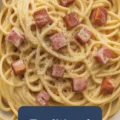
I get a glossy, peppery Roman carbonara with crisp guanciale, salty Pecorino, and a rich sauce made from just five ingredients. It looks simple, but the final plate has the kind of silky finish that makes everyone wonder what the secret is.
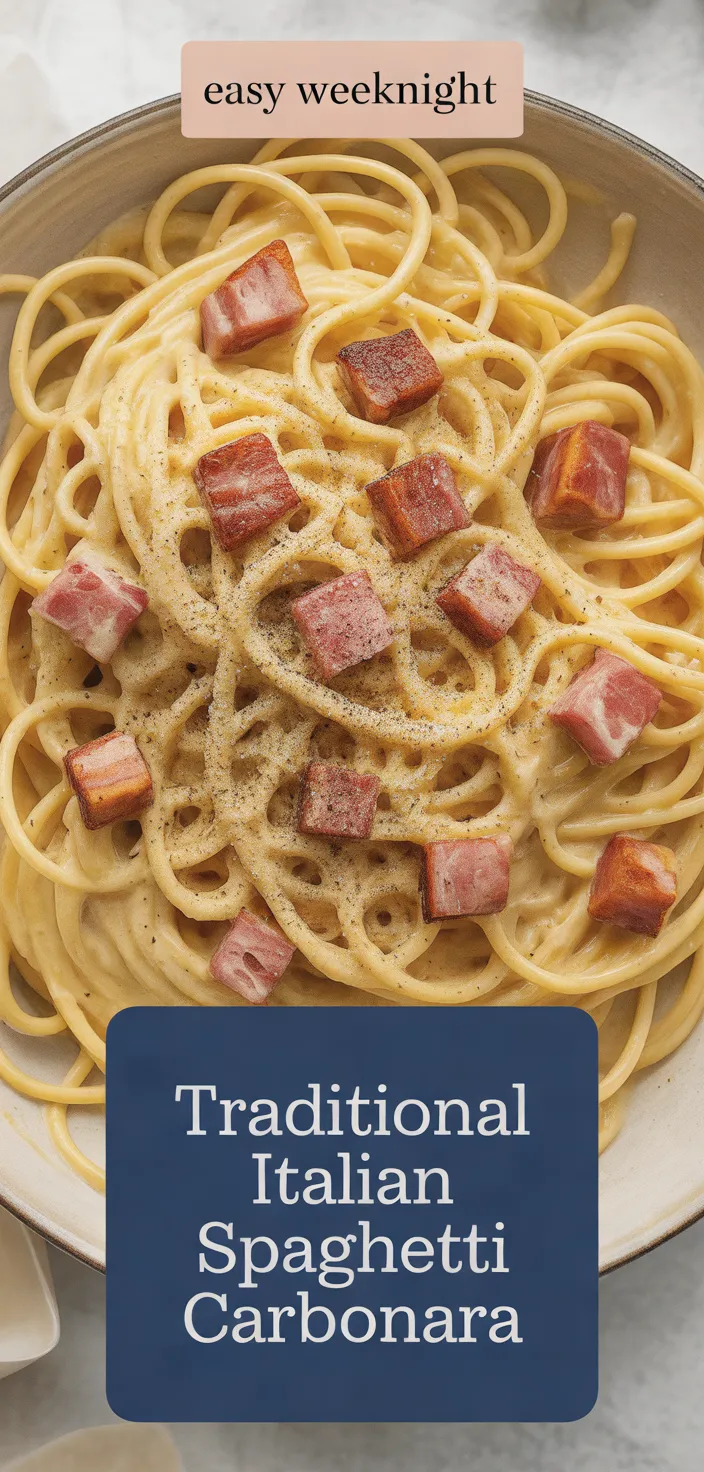
I’m obsessed with Traditional Italian Spaghetti Carbonara because I get everything I want from pasta without the fuss: silky sauce, salty bite, and that sharp Roman attitude. I love the way spaghetti grabs every glossy strand of richness, while guanciale brings its crispy, porky edge and refuses to be background noise.
And I like that it feels bold, not heavy. Just straight-up flavor.
I crave the peppery hit, the cheese-laced slickness, the little snaps of fat in each forkful. But mostly, I adore how honest it tastes, unapologetic, salty, creamy without cream, and wildly satisfying every single time.
Ingredients
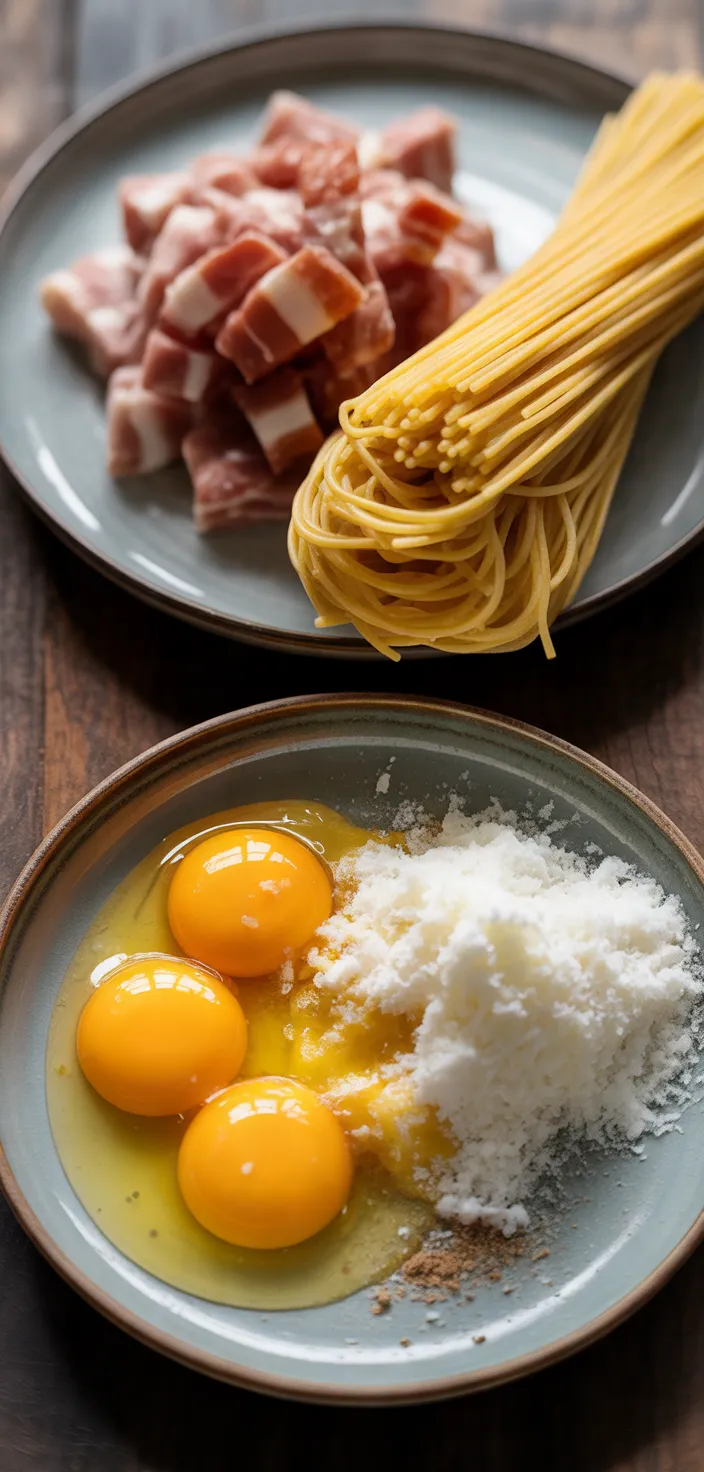
- Spaghetti is the cozy base, catching all that glossy sauce in every twist.
- Guanciale brings salty bite, crispy edges, and that rich porky magic carbonara needs.
- Eggs make the sauce creamy without cream, which still feels a little wild.
- That extra yolk? Basically, it makes everything silkier and way more luxurious.
- Pecorino Romano adds sharp, salty punch, so the dish doesn’t taste flat.
- Black pepper gives heat and attitude.
Plus, it keeps things from feeling too heavy.
Ingredient Quantities
- 400 g spaghetti (about 14 oz)
- 150 g guanciale, cut into small cubes (about 5 oz)
- 3 large eggs plus 1 egg yolk, room temperature
- 100 g Pecorino Romano, finely grated (about 1 cup packed)
- Freshly ground black pepper, about 1 to 2 teaspoons or to taste
How to Make this
1. Bring a large pot of water to a rolling boil and salt it generously; cook 400 g spaghetti until just shy of al dente according to package timing, reserving about 1 to 1 1/2 cups of the starchy pasta water before draining.
2. While the pasta cooks, heat a large skillet over medium heat and add 150 g guanciale cubes; cook gently until the fat renders and the guanciale is crisp and golden, about 8 to 10 minutes. Remove the pan from the heat.
3. In a bowl, whisk together 3 large eggs plus 1 egg yolk with 100 g finely grated Pecorino Romano and about 1 teaspoon freshly ground black pepper until smooth and slightly thickened.
4. When the pasta is drained, transfer the hot spaghetti directly to the skillet with the guanciale and its fat, using tongs to toss and coat the strands. If the pan is very hot, let it cool for a minute so the eggs will not scramble.
5. Working quickly off the direct heat, pour the egg and cheese mixture over the coated pasta and toss vigorously, adding a few tablespoons of reserved pasta water at a time to create a silky, emulsified sauce that clings to the noodles.
6. Continue tossing and adding small amounts of pasta water as needed until the sauce is creamy and reaches the desired consistency; you may not need all the reserved water.
7. Taste and adjust with more freshly ground black pepper and a little more Pecorino if you like it tangier and saltier.
8. Serve immediately in warmed bowls, finishing each portion with an extra grating of Pecorino and a final crack of black pepper.
Equipment Needed
1. Large pot for boiling pasta
2. Colander for draining spaghetti
3. Large skillet for cooking guanciale and finishing pasta
4. Tongs for transferring and tossing the pasta
5. Mixing bowl for the egg and cheese mixture
6. Whisk or fork to beat eggs and cheese
7. Measuring scale or measuring cups for ingredients
8. Fine box grater or microplane for Pecorino
9. Wooden spoon or heatproof spatula for stirring
10. Warmed serving bowls and plates
FAQ
Traditional Italian Spaghetti Carbonara Recipe Substitutions and Variations
- Guanciale: pancetta (preferably unsmoked) or high-quality thick-cut bacon as a last resort
- Pecorino Romano: Parmigiano-Reggiano or a blend of 75% Pecorino 25% Parmesan for milder saltiness
- Spaghetti: bucatini for a slightly thicker, saucier bite or linguine/long pasta available in your pantry
- Eggs: use 4 large whole eggs if you prefer simpler handling, or pasteurized eggs for food-safety concerns
Pro Tips
1. Keep everything ready and work quickly. Have your eggs and cheese mixed, the reserved pasta water measured, tongs in hand and the skillet pulled off the heat before the pasta hits the pan. The sauce forms fast and timing makes the difference between glossy silk and scrambled curds.
2. Control the heat of the pan. After rendering the guanciale, let the pan cool for 30 to 60 seconds before adding the hot spaghetti and again before pouring in the egg mixture. You want residual warmth to cook the eggs gently, not sear them.
3. Use the pasta water like a sculptor uses clay. Add it a few tablespoons at a time while tossing to coax a creamy emulsion. If the sauce looks too thick, small additions will loosen it without watering down flavor. If it gets too loose, a minute on very low heat while tossing will tighten it back up.
4. Treat the guanciale fat and the cheese with equal respect. Crisp the guanciale well so you get texture and deep flavor, and grate the Pecorino very finely so it melts smoothly into the eggs. If your cheese clumps, rub it between your palms or pulse briefly in a clean spice grinder to avoid grainy sauce.
Traditional Italian Spaghetti Carbonara Recipe
I get a glossy, peppery Roman carbonara with crisp guanciale, salty Pecorino, and a rich sauce made from just five ingredients. It looks simple, but the final plate has the kind of silky finish that makes everyone wonder what the secret is.
4
servings
739
kcal
Equipment: 1. Large pot for boiling pasta
2. Colander for draining spaghetti
3. Large skillet for cooking guanciale and finishing pasta
4. Tongs for transferring and tossing the pasta
5. Mixing bowl for the egg and cheese mixture
6. Whisk or fork to beat eggs and cheese
7. Measuring scale or measuring cups for ingredients
8. Fine box grater or microplane for Pecorino
9. Wooden spoon or heatproof spatula for stirring
10. Warmed serving bowls and plates
Ingredients
-
400 g spaghetti (about 14 oz)
-
150 g guanciale, cut into small cubes (about 5 oz)
-
3 large eggs plus 1 egg yolk, room temperature
-
100 g Pecorino Romano, finely grated (about 1 cup packed)
-
Freshly ground black pepper, about 1 to 2 teaspoons or to taste
Directions
- Bring a large pot of water to a rolling boil and salt it generously; cook 400 g spaghetti until just shy of al dente according to package timing, reserving about 1 to 1 1/2 cups of the starchy pasta water before draining.
- While the pasta cooks, heat a large skillet over medium heat and add 150 g guanciale cubes; cook gently until the fat renders and the guanciale is crisp and golden, about 8 to 10 minutes. Remove the pan from the heat.
- In a bowl, whisk together 3 large eggs plus 1 egg yolk with 100 g finely grated Pecorino Romano and about 1 teaspoon freshly ground black pepper until smooth and slightly thickened.
- When the pasta is drained, transfer the hot spaghetti directly to the skillet with the guanciale and its fat, using tongs to toss and coat the strands. If the pan is very hot, let it cool for a minute so the eggs will not scramble.
- Working quickly off the direct heat, pour the egg and cheese mixture over the coated pasta and toss vigorously, adding a few tablespoons of reserved pasta water at a time to create a silky, emulsified sauce that clings to the noodles.
- Continue tossing and adding small amounts of pasta water as needed until the sauce is creamy and reaches the desired consistency; you may not need all the reserved water.
- Taste and adjust with more freshly ground black pepper and a little more Pecorino if you like it tangier and saltier.
- Serve immediately in warmed bowls, finishing each portion with an extra grating of Pecorino and a final crack of black pepper.
Notes
- Below you’ll find my best estimate of this recipe’s nutrition facts. Treat the numbers as a guide rather than a rule—great food should nourish both body and spirit. Figures are approximate, and the website owner assumes no liability for any inaccuracies in this recipe.
Nutrition Facts
- Serving Size: 312g
- Total number of serves: 4
- Calories: 739kcal
- Fat: 34.3g
- Saturated Fat: 13.9g
- Trans Fat: 0.13g
- Polyunsaturated: 1.8g
- Monounsaturated: 12.5g
- Cholesterol: 247mg
- Sodium: 992mg
- Potassium: 369mg
- Carbohydrates: 76.5g
- Fiber: 3.3g
- Sugar: 1.5g
- Protein: 27.3g
- Vitamin A: 520IU
- Vitamin C: 0mg
- Calcium: 269mg
- Iron: 3.1mg