I come back to this Bologna-style bolognese whenever I want a rich, delicate sauce that feels truly special. Every slow-simmered bite is deep, silky, and worth the wait.
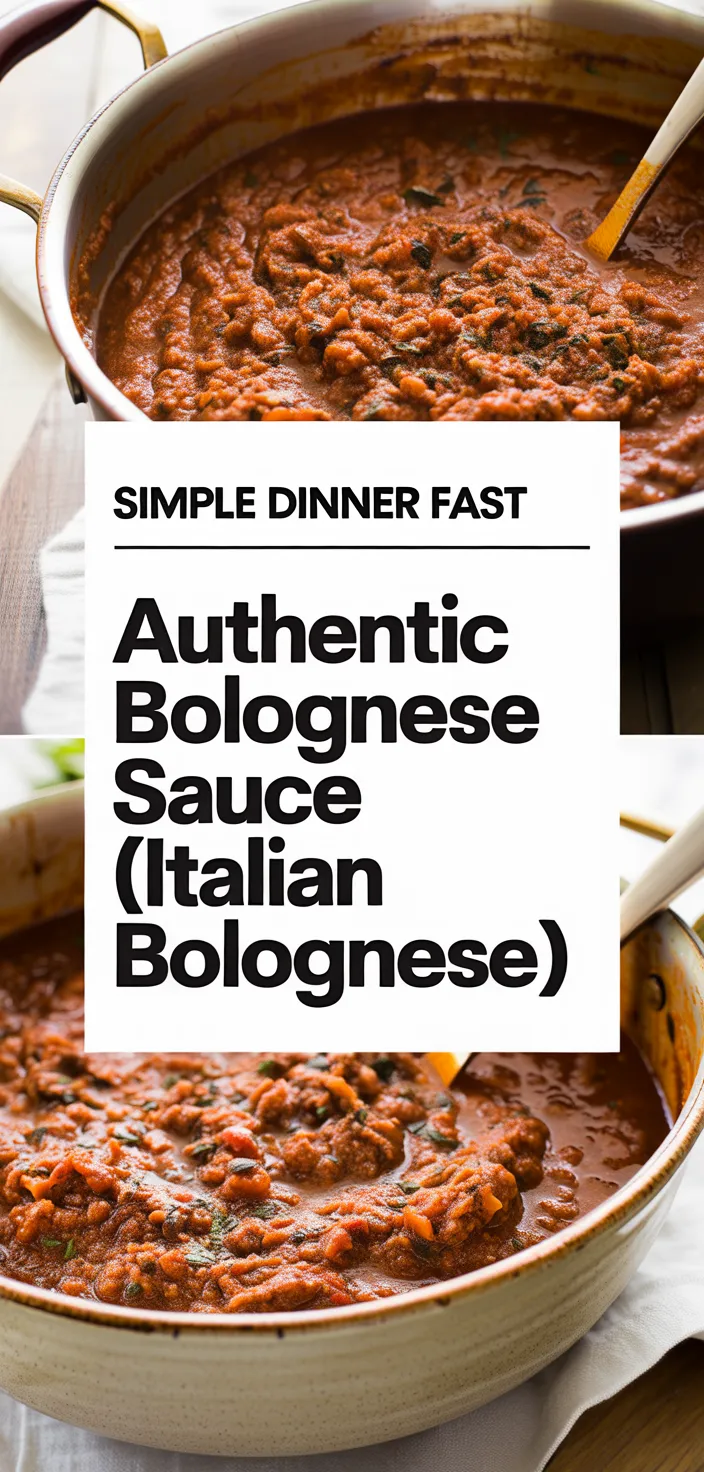
I’m completely obsessed with authentic Bolognese because it tastes nothing like the rushed red sauce I used to settle for. This is the Bologna-style sauce I crave when I want something deep, delicate, and seriously rich without being loud about it.
I love how the pancetta melts into the background, while whole milk gives the sauce that silky, mellow edge that makes every bite feel ridiculously good. And yes, it takes time, but that is exactly why I adore it.
Slow, savory, and layered. The kind of sauce I keep sneaking from the pot with a spoon again and again.
Ingredients
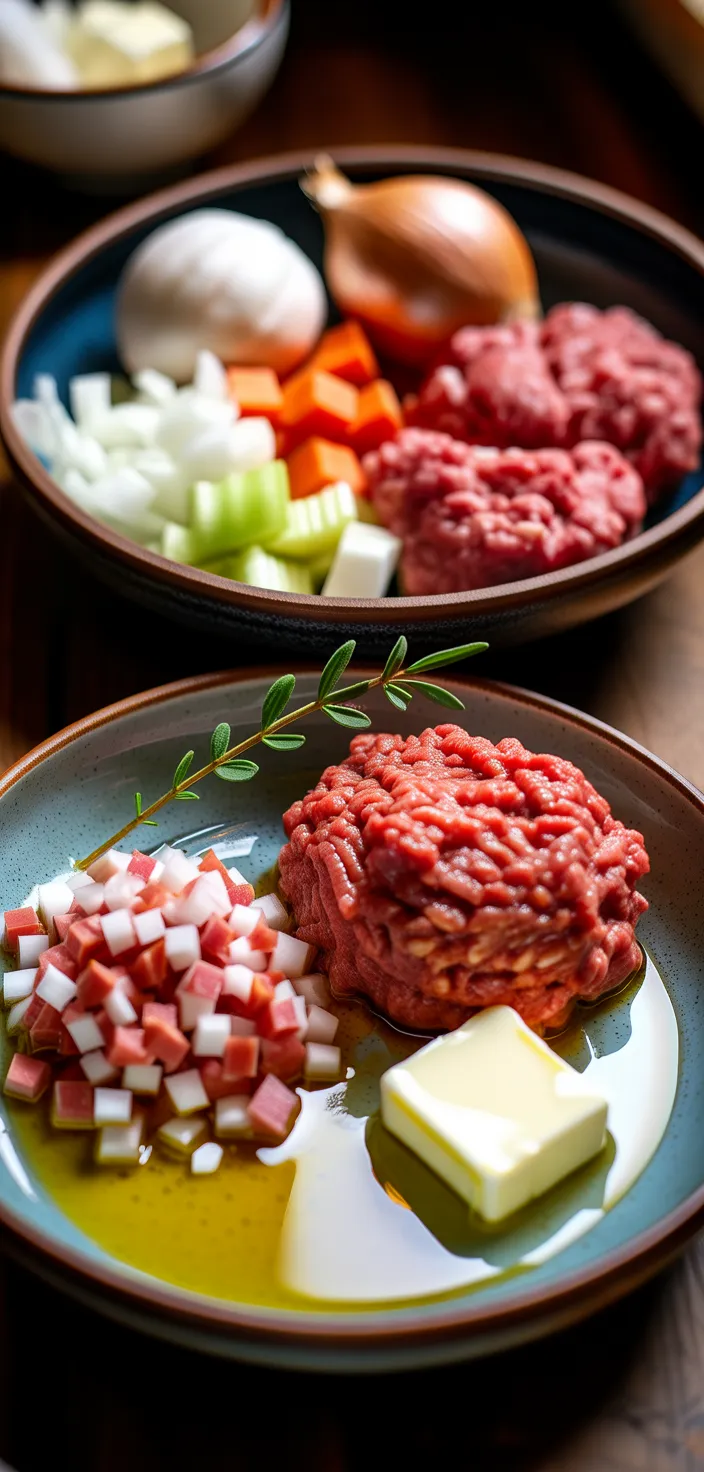
- Olive oil starts things off with a soft, fruity base.
- Butter brings that cozy richness you’ll taste in every bite.
- Pancetta adds salty depth, like the sauce has been cooking forever.
- Onion melts down sweet and makes the whole pot smell amazing.
- Carrot adds gentle sweetness, not a loud veggie moment.
- Celery keeps things balanced with a tiny fresh bite.
- Beef is the heart here, meaty, hearty, and totally satisfying.
- Pork makes it extra tender, but it’s still great without it.
- Milk softens the meat and gives the sauce that classic mellow feel.
- Nutmeg is subtle, but it adds a warm little wink.
- White wine cuts richness so the sauce doesn’t feel heavy.
- Tomato adds tang, but it doesn’t take over the meat.
- Stock keeps everything loose and deeply savory.
- Salt and pepper wake it up.
Basically, don’t skip tasting.
- Plus bay leaves add quiet background flavor without stealing the show.
Ingredient Quantities
- 2 tablespoons extra virgin olive oil
- 2 tablespoons unsalted butter
- 100 grams pancetta, finely diced (about 3.5 ounces)
- 1 medium onion, finely chopped
- 1 medium carrot, finely chopped
- 2 celery stalks, finely chopped
- 500 grams ground beef (about 1.1 pounds)
- 100 grams ground pork (optional, about 3.5 ounces) or omit for all beef
- 1 cup whole milk
- a pinch freshly grated nutmeg
- 1 cup dry white wine
- 400 grams canned crushed tomatoes (about 14 ounces) or 2 tablespoons tomato paste diluted in 1 cup water
- 1 to 2 cups beef or chicken stock, as needed to loosen sauce
- salt, to taste
- freshly ground black pepper, to taste
- 2 bay leaves (optional)
How to Make this
1. Heat the olive oil and butter in a large heavy pot over medium heat until butter is melted and foaming.
2. Add the pancetta and cook until it renders fat and becomes lightly golden, about 4 to 5 minutes.
3. Add the chopped onion, carrot, and celery and soften gently until translucent and tender, about 8 to 10 minutes, stirring occasionally.
4. Increase heat to medium-high and add the ground beef and ground pork if using. Brown the meat, breaking it up with a spoon, until no longer pink and some fond forms on the bottom, about 8 minutes. Season lightly with salt and pepper.
5. Pour in the milk and add a pinch of freshly grated nutmeg. Simmer gently until the milk has mostly evaporated, about 10 minutes.
6. Add the white wine and simmer until the wine has mostly reduced, about 8 to 10 minutes.
7. Stir in the crushed tomatoes or the tomato paste diluted in water, add the bay leaves if using, and bring to a gentle simmer.
8. Reduce heat to very low, partially cover the pot, and cook slowly for 2 to 4 hours, stirring occasionally. If the sauce becomes too thick, add beef or chicken stock 1/2 cup at a time to reach the desired consistency.
9. Taste and adjust seasoning with salt and freshly ground black pepper. Remove and discard the bay leaves before serving.
10. Serve over fresh pasta such as tagliatelle or pappardelle with grated Parmigiano Reggiano.
Equipment Needed
1. Large heavy pot or Dutch oven
2. Wooden spoon or heatproof stirring spoon
3. Chef knife
4. Cutting board
5. Measuring cups and spoons
6. Box grater or microplane for nutmeg and cheese
7. Slotted spoon or spatula for browning meat and pancetta
8. Large pot for cooking pasta and pasta tongs or slotted spoon
FAQ
Authentic Bolognese Sauce (Italian Bolognese) Recipe Substitutions and Variations
- Pancetta substitutions: guanciale, thick-cut bacon (drain well), or omit and use an extra tablespoon olive oil plus a pinch of smoked paprika
- Ground meat substitutions: replace beef with ground veal or ground lamb, use a mix of ground beef and Italian sausage (remove casing), or swap for firm plant-based crumbles for a vegetarian version
- Whole milk substitutions: half and half or light cream for richness, evaporated milk diluted 1:1 with water, or unsweetened oat milk for a dairy-free option (keep the pinch of nutmeg)
- Dry white wine substitutions: dry vermouth, 1 tablespoon white wine vinegar plus additional stock, or omit and use extra beef/chicken stock with a squeeze of lemon for brightness
Pro Tips
– Brown in stages and don’t rush the fond. Cook the meat in batches if needed so it can brown instead of steam. Those browned bits are flavor gold and will deepen the whole sauce.
– Treat the milk step like a flavor builder. Let it simmer until mostly evaporated so the proteins mellow the acidity and add silkiness. Grating the nutmeg at this point gives a warm background note without being obvious.
– Low and slow is worth it. A gentle long simmer on the lowest heat develops complexity. If the sauce tightens up too much, add warm stock or reserved pasta water a little at a time until the texture feels like thick cream clinging to the spoon.
– Finish and season last. Temperature and reduction concentrate salt and acidity, so taste at the end and adjust. A final grating of Parmigiano Reggiano and a few minutes of resting off the heat helps the flavors settle and cling better to wide pasta.
Authentic Bolognese Sauce (Italian Bolognese) Recipe
I come back to this Bologna-style bolognese whenever I want a rich, delicate sauce that feels truly special. Every slow-simmered bite is deep, silky, and worth the wait.
6
servings
502
kcal
Equipment: 1. Large heavy pot or Dutch oven
2. Wooden spoon or heatproof stirring spoon
3. Chef knife
4. Cutting board
5. Measuring cups and spoons
6. Box grater or microplane for nutmeg and cheese
7. Slotted spoon or spatula for browning meat and pancetta
8. Large pot for cooking pasta and pasta tongs or slotted spoon
Ingredients
-
2 tablespoons extra virgin olive oil
-
2 tablespoons unsalted butter
-
100 grams pancetta, finely diced (about 3.5 ounces)
-
1 medium onion, finely chopped
-
1 medium carrot, finely chopped
-
2 celery stalks, finely chopped
-
500 grams ground beef (about 1.1 pounds)
-
100 grams ground pork (optional, about 3.5 ounces) or omit for all beef
-
1 cup whole milk
-
a pinch freshly grated nutmeg
-
1 cup dry white wine
-
400 grams canned crushed tomatoes (about 14 ounces) or 2 tablespoons tomato paste diluted in 1 cup water
-
1 to 2 cups beef or chicken stock, as needed to loosen sauce
-
salt, to taste
-
freshly ground black pepper, to taste
-
2 bay leaves (optional)
Directions
- Heat the olive oil and butter in a large heavy pot over medium heat until butter is melted and foaming.
- Add the pancetta and cook until it renders fat and becomes lightly golden, about 4 to 5 minutes.
- Add the chopped onion, carrot, and celery and soften gently until translucent and tender, about 8 to 10 minutes, stirring occasionally.
- Increase heat to medium-high and add the ground beef and ground pork if using. Brown the meat, breaking it up with a spoon, until no longer pink and some fond forms on the bottom, about 8 minutes. Season lightly with salt and pepper.
- Pour in the milk and add a pinch of freshly grated nutmeg. Simmer gently until the milk has mostly evaporated, about 10 minutes.
- Add the white wine and simmer until the wine has mostly reduced, about 8 to 10 minutes.
- Stir in the crushed tomatoes or the tomato paste diluted in water, add the bay leaves if using, and bring to a gentle simmer.
- Reduce heat to very low, partially cover the pot, and cook slowly for 2 to 4 hours, stirring occasionally. If the sauce becomes too thick, add beef or chicken stock 1/2 cup at a time to reach the desired consistency.
- Taste and adjust seasoning with salt and freshly ground black pepper. Remove and discard the bay leaves before serving.
- Serve over fresh pasta such as tagliatelle or pappardelle with grated Parmigiano Reggiano.
Notes
- Below you’ll find my best estimate of this recipe’s nutrition facts. Treat the numbers as a guide rather than a rule—great food should nourish both body and spirit. Figures are approximate, and the website owner assumes no liability for any inaccuracies in this recipe.
Nutrition Facts
- Serving Size: 374g
- Total number of serves: 6
- Calories: 502kcal
- Fat: 35.5g
- Saturated Fat: 13.3g
- Trans Fat: 0.17g
- Polyunsaturated: 1.95g
- Monounsaturated: 15.5g
- Cholesterol: 111mg
- Sodium: 500mg
- Potassium: 906mg
- Carbohydrates: 9.2g
- Fiber: 2.3g
- Sugar: 5.5g
- Protein: 30.3g
- Vitamin A: 833IU
- Vitamin C: 6.7mg
- Calcium: 58mg
- Iron: 2.9mg