
I turned just a few pantry staples into Easy Ravioli Dough and share ricotta and beef filling ideas along with sauce suggestions to help you personalize your homemade ravioli.
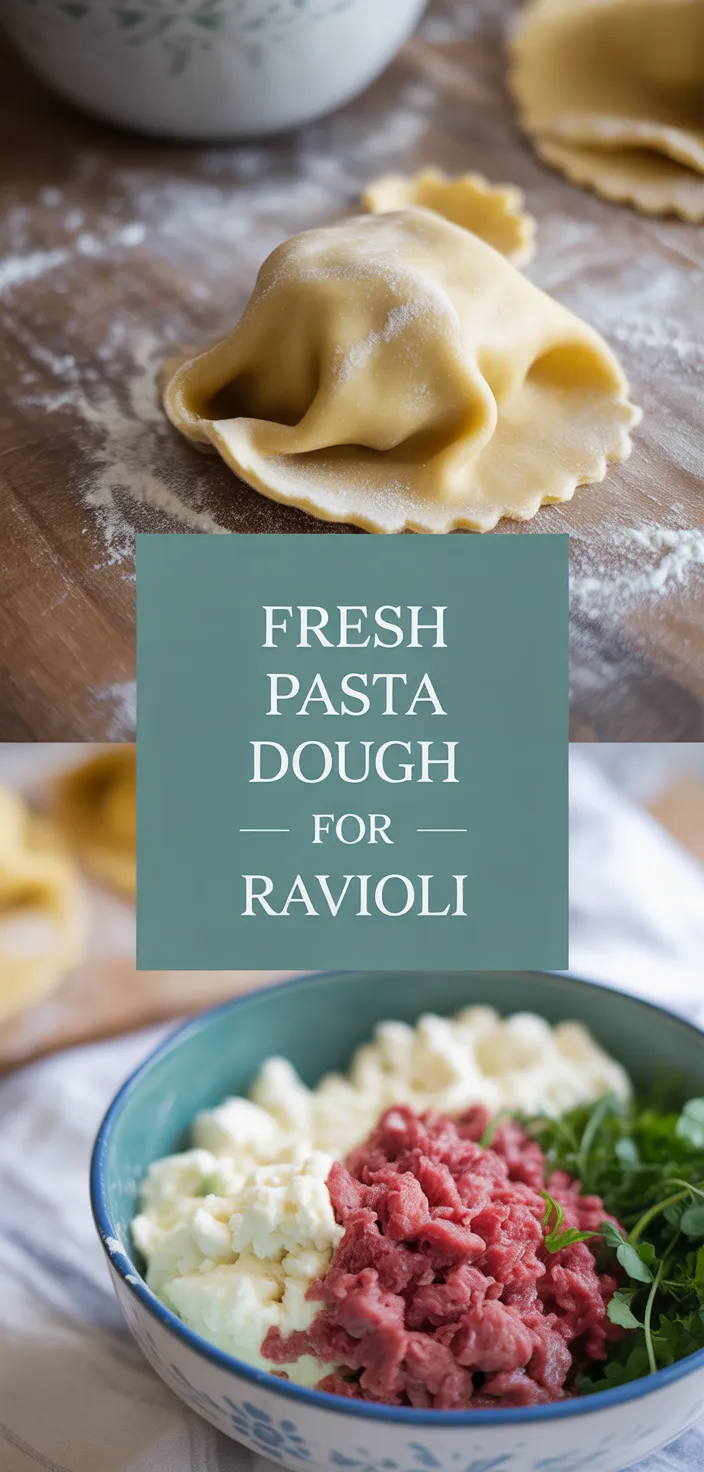
I used to think ravioli came only from cans or restaurants. Then I discovered how surprisingly forgiving Dough For Ravioli can be when you start with good all purpose flour or 00 flour and eggs.
This Easy Ravioli Dough becomes silky sheets that cradle whatever filling you imagine, and it forgives imperfect shaping. The result tastes way better than takeout and somehow makes a weeknight feel like a small win.
I still mess it up sometimes, but that just makes it more fun and you pick up little tricks faster than you’d expect.
Ingredients
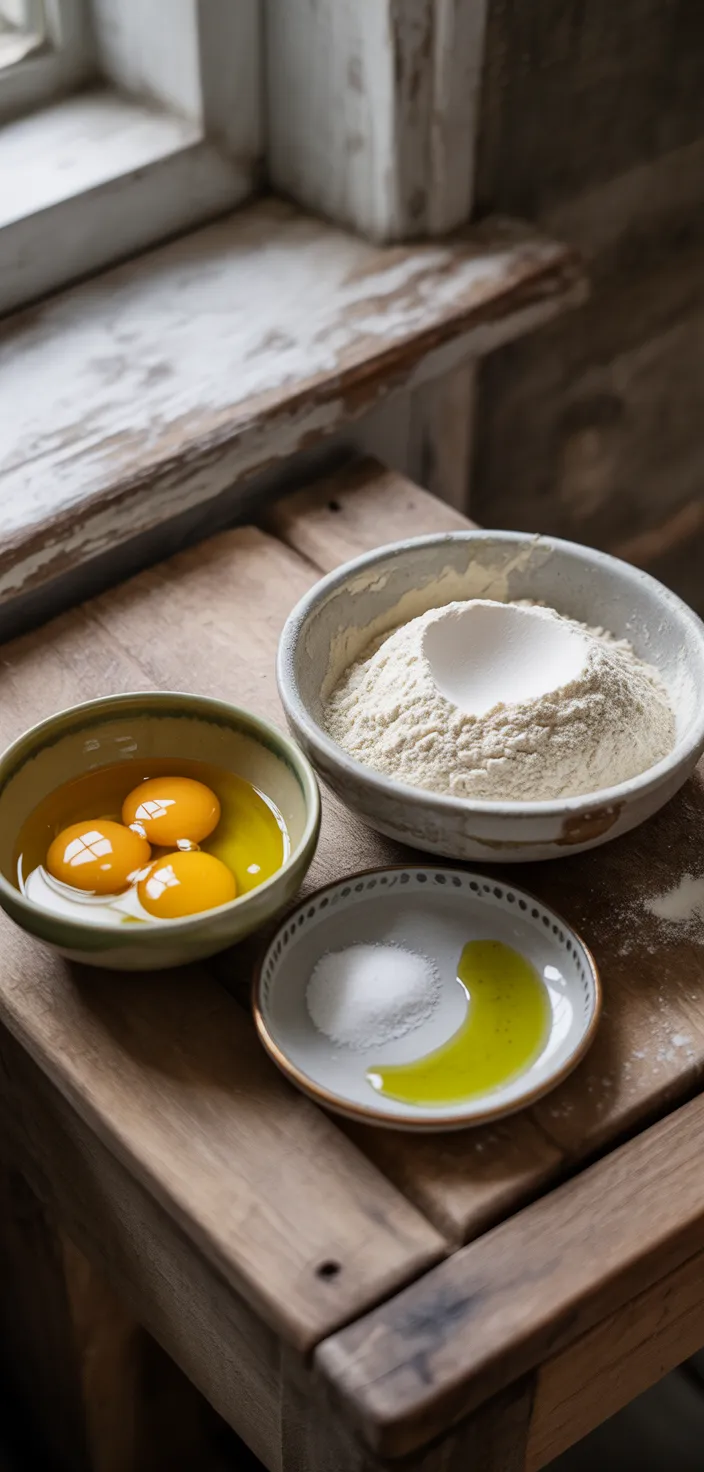
- Flour gives structure, carbs for energy, it develops gluten when kneaded, kinda.
- Eggs add protein, richness, color and help bind the dough together.
- Salt seasons, tightens the dough slightly, and enhances overall flavor.
- Olive oil adds pliability, richness and keeps dough less sticky, optional.
- Semolina prevents sticking, gives a bit of texture when dusting pasta.
- 00 flour is finer and yields silkier pasta, AP gives firmer bite.
- Whole eggs bring moisture and protein; yolks add extra richness and color.
- Fresh dough stores briefly, eggs make it perishable so keep it chilled.
- Mostly carbs and protein, moderate calories, dont call it diet food.
Ingredient Quantities
- 2 cups (250 g) all purpose flour or 00 flour if you got it
- 3 large eggs (about 150 g total), room temp
- 1/2 teaspoon fine sea salt
- 1 tablespoon extra virgin olive oil (optional, helps make the dough more pliable)
- Semolina or extra flour for dusting, about 1/4 cup (35 g) optional
How to Make this
1. Put 2 cups (250 g) all purpose flour (or 00 if you got it) on a clean counter and sprinkle 1/2 teaspoon fine sea salt over it, then make a big well in the middle.
2. Crack 3 large room temp eggs (about 150 g total) into the well and add 1 tablespoon extra virgin olive oil if you want a more pliable dough.
3. Use a fork to beat the eggs and oil in the well, then slowly pull a little flour from the inner wall into the eggs until a shaggy dough forms, working around the bowl slowly so it does not collapse.
4. When it starts to come together, use your hands to bring it into a rough ball; if it is sticky add a tablespoon of flour at a time, if too dry add a teaspoon of water or a tiny bit of egg white.
5. Knead the dough on a lightly floured surface for 8 to 10 minutes until smooth, elastic and slightly tacky, it should spring back when poked.
6. Wrap the dough tightly in plastic or cover with a bowl and let it rest at room temp for 30 to 45 minutes, this relaxes the gluten so you can roll it thin.
7. Cut the dough into 4 pieces, keep the pieces you’re not using covered, then flatten one piece and roll it through a pasta machine from the widest setting down to thin (or roll very thin with a pin), dusting with semolina or extra flour (about 1/4 cup/35 g) to stop sticking.
8. Lay a sheet on a semolina dusted surface, place small mounds of filling spaced apart, wet the edges and between mounds with water, lay a second sheet on top and press around each mound to seal and push out air, then cut into ravioli and crimp the edges with a fork or cutter.
9. Place finished ravioli on a semolina dusted tray, or freeze on a tray then bag for later. To cook fresh ravioli boil in plenty of salted water 2 to 4 minutes until they float and are tender, remove gently and toss with your favorite sauce.
Equipment Needed
1. Clean work surface or counter — for making the flour well, kneading and rolling, you want plenty of room.
2. Kitchen scale or measuring cups and spoons — to weigh 250 g flour and measure salt, oil, etc.
3. Fork — to beat the eggs in the well and start pulling in flour.
4. Bench scraper or stiff spatula — for cutting dough, lifting pieces and keeping the counter tidy.
5. Pasta machine or rolling pin — machine makes it easy, pin works fine if you roll thin.
6. Knife or ravioli cutter and a fork — to cut the ravioli and crimp the edges.
7. Plastic wrap or a clean bowl to cover the dough — lets the dough rest without drying out.
8. Large pot and slotted spoon or spider strainer — for boiling and gently removing the ravioli.
FAQ
Fresh Pasta Dough For Ravioli Recipe Substitutions and Variations
- Flour: swap all purpose for 00 flour 1:1 for silkier, tender sheets; use semolina (or a 50/50 semolina+AP mix) for a bit more bite and nuttier flavor; bread flour will give a chewier dough but may need a touch more liquid.
- Eggs: for a richer, silkier dough use 4 large egg yolks instead of 3 whole eggs, or 2 whole eggs + 1 yolk for a slightly firmer result. If you need egg free, make an eggless pasta with about 2/3 cup warm water + 2 tbsp oil for 2 cups flour, adding water slowly until it just comes together and knead longer.
- Extra virgin olive oil: replace with the same amount of melted unsalted butter for richness, or use a neutral oil (vegetable, grapeseed) if you dont want olive flavor; you can also omit it entirely, dough will be a bit less pliable but still workable.
- Semolina or dusting flour: if you dont have semolina dust with extra 00 or AP flour, fine cornmeal will work for texture, and rice flour is great for dusting if you plan to freeze ravioli because it wont stick when thawing.
Pro Tips
1) Use 00 if you got it, but weigh everything if you can. Weighing the flour and eggs makes the dough way more consistent, and if it feels sticky add flour a tablespoon at a time, if too dry add a tiny bit of egg white or water.
2) Knead until the dough is springy and does the windowpane test, then really let it rest. If your kitchen is warm shorten the rest, if the dough fights you give it more time, covering it so it doesnt form a crust.
3) Dust with semolina sparingly, not like youre flouring a loaf of bread. Semolina stops sticking and gives texture, but too much will dry the sheets and make sealing harder. Use a light dusting on both surfaces and on the machine rollers.
4) For filling and sealing use cold filling, a little water or egg wash only on the edges, and press out every air bubble before cutting. Freeze finished ravioli in a single layer on a tray first, then bag them, so they dont stick together later.
Fresh Pasta Dough For Ravioli Recipe
I turned just a few pantry staples into Easy Ravioli Dough and share ricotta and beef filling ideas along with sauce suggestions to help you personalize your homemade ravioli.
4
servings
311
kcal
Equipment: 1. Clean work surface or counter — for making the flour well, kneading and rolling, you want plenty of room.
2. Kitchen scale or measuring cups and spoons — to weigh 250 g flour and measure salt, oil, etc.
3. Fork — to beat the eggs in the well and start pulling in flour.
4. Bench scraper or stiff spatula — for cutting dough, lifting pieces and keeping the counter tidy.
5. Pasta machine or rolling pin — machine makes it easy, pin works fine if you roll thin.
6. Knife or ravioli cutter and a fork — to cut the ravioli and crimp the edges.
7. Plastic wrap or a clean bowl to cover the dough — lets the dough rest without drying out.
8. Large pot and slotted spoon or spider strainer — for boiling and gently removing the ravioli.
Ingredients
-
2 cups (250 g) all purpose flour or 00 flour if you got it
-
3 large eggs (about 150 g total), room temp
-
1/2 teaspoon fine sea salt
-
1 tablespoon extra virgin olive oil (optional, helps make the dough more pliable)
-
Semolina or extra flour for dusting, about 1/4 cup (35 g) optional
Directions
- Put 2 cups (250 g) all purpose flour (or 00 if you got it) on a clean counter and sprinkle 1/2 teaspoon fine sea salt over it, then make a big well in the middle.
- Crack 3 large room temp eggs (about 150 g total) into the well and add 1 tablespoon extra virgin olive oil if you want a more pliable dough.
- Use a fork to beat the eggs and oil in the well, then slowly pull a little flour from the inner wall into the eggs until a shaggy dough forms, working around the bowl slowly so it does not collapse.
- When it starts to come together, use your hands to bring it into a rough ball; if it is sticky add a tablespoon of flour at a time, if too dry add a teaspoon of water or a tiny bit of egg white.
- Knead the dough on a lightly floured surface for 8 to 10 minutes until smooth, elastic and slightly tacky, it should spring back when poked.
- Wrap the dough tightly in plastic or cover with a bowl and let it rest at room temp for 30 to 45 minutes, this relaxes the gluten so you can roll it thin.
- Cut the dough into 4 pieces, keep the pieces you’re not using covered, then flatten one piece and roll it through a pasta machine from the widest setting down to thin (or roll very thin with a pin), dusting with semolina or extra flour (about 1/4 cup/35 g) to stop sticking.
- Lay a sheet on a semolina dusted surface, place small mounds of filling spaced apart, wet the edges and between mounds with water, lay a second sheet on top and press around each mound to seal and push out air, then cut into ravioli and crimp the edges with a fork or cutter.
- Place finished ravioli on a semolina dusted tray, or freeze on a tray then bag for later. To cook fresh ravioli boil in plenty of salted water 2 to 4 minutes until they float and are tender, remove gently and toss with your favorite sauce.
Notes
- Below you’ll find my best estimate of this recipe’s nutrition facts. Treat the numbers as a guide rather than a rule—great food should nourish both body and spirit. Figures are approximate, and the website owner assumes no liability for any inaccuracies in this recipe.
Nutrition Facts
- Serving Size: 103.4g
- Total number of serves: 4
- Calories: 311kcal
- Fat: 7.6g
- Saturated Fat: 1.8g
- Trans Fat: 0.03g
- Polyunsaturated: 0.9g
- Monounsaturated: 3.3g
- Cholesterol: 139.5mg
- Sodium: 298mg
- Potassium: 114mg
- Carbohydrates: 48.3g
- Fiber: 1.7g
- Sugar: 0.8g
- Protein: 11g
- Vitamin A: 195IU
- Vitamin C: 0mg
- Calcium: 30mg
- Iron: 2.9mg