I made a creamy vegan Butternut Squash Pasta Sauce Healthy enough that plain pasta suddenly feels like an indulgence I’m proud of.
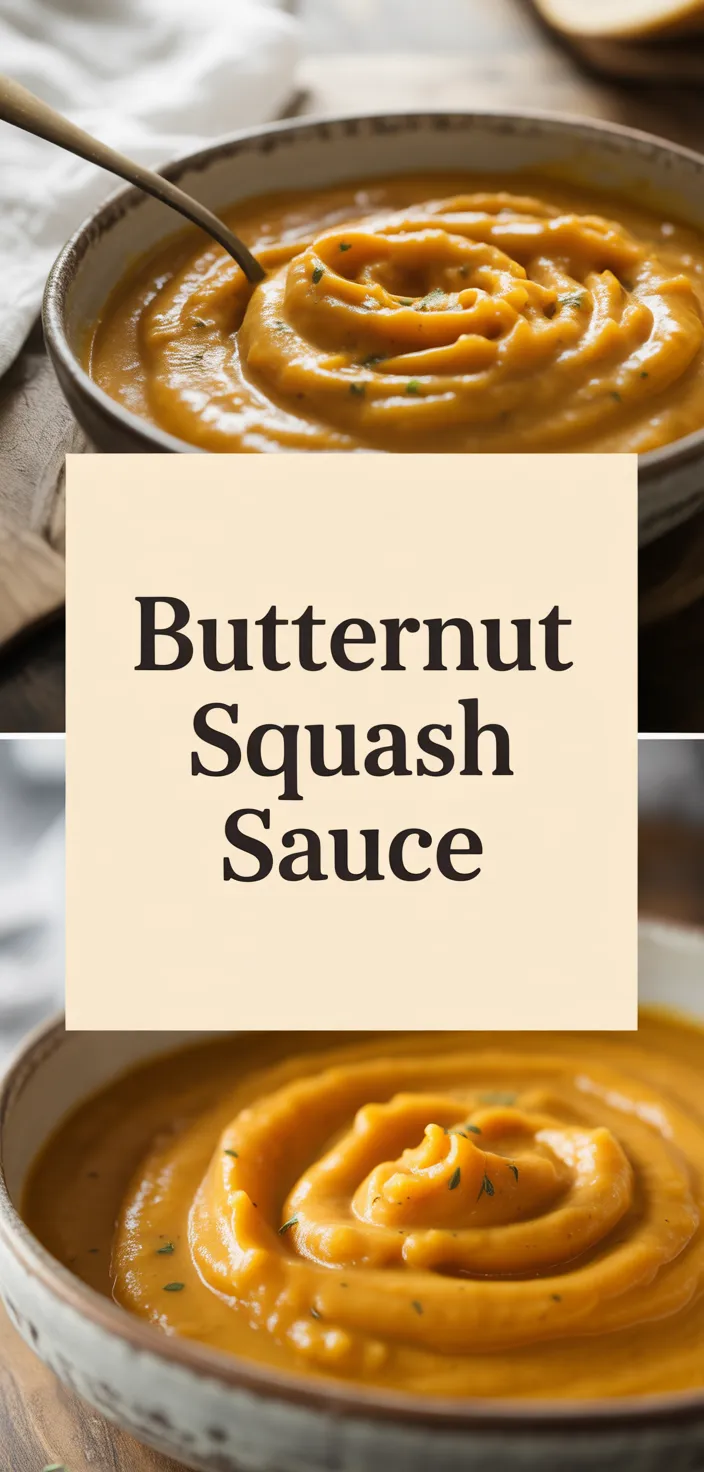
I am obsessed with this Butternut Squash Pasta Sauce because it hits that creamy, orange-sweet spot I actually crave after a long day. I love how frozen butternut squash cubes make it stupid easy and honest, not fussy.
I’m drawn to the nutty depth from garlic cloves and the kind of richness that feels indulgent without dairy. It’s the kind of Vegan Dinners meal I make on repeat when I want comfort but also to feel like I ate something decent.
No pretense. Just saucy, slurpy pasta that actually satisfies.
Seriously, I forget about other sauces whenever I eat it.
Ingredients
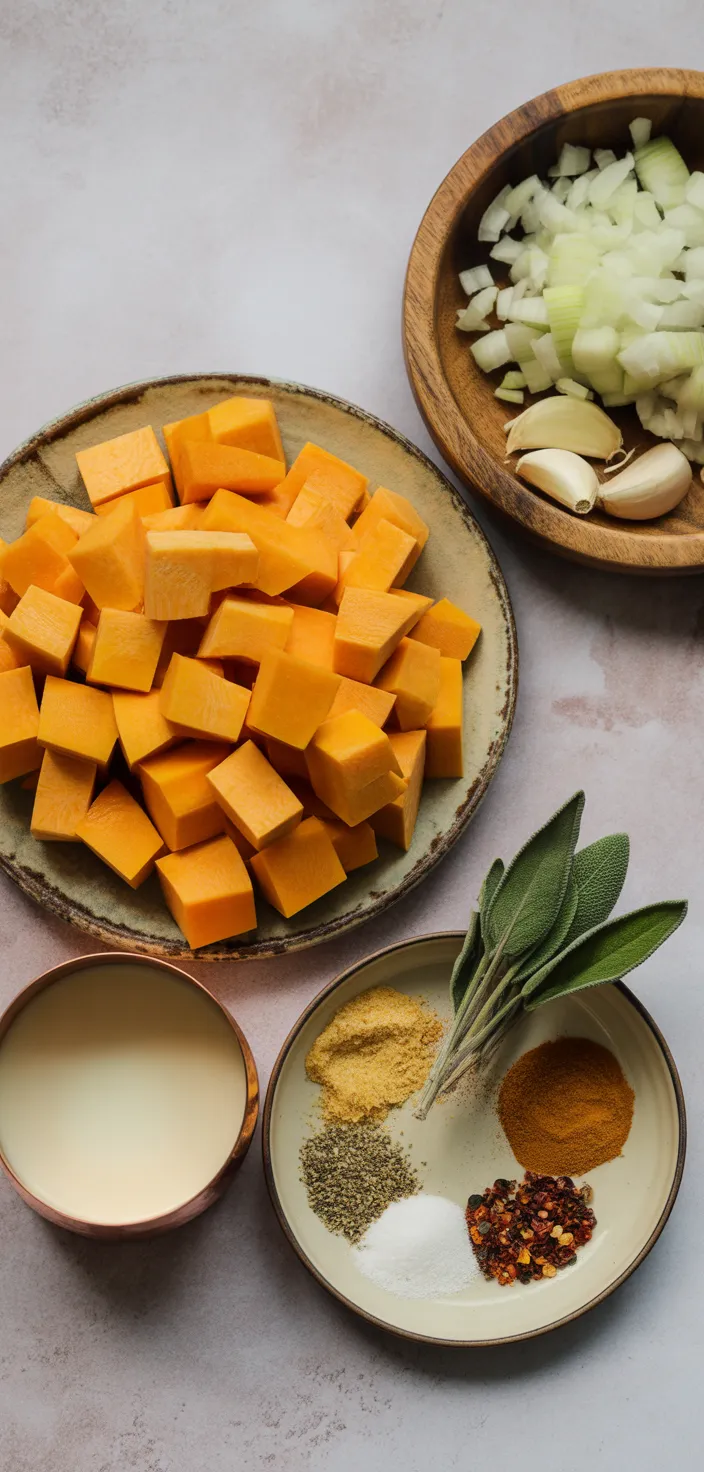
- Frozen butternut squash: sweet, creamy base that makes the sauce velvety.
Basically comfort food.
- Olive oil: adds silk and a hint of fruity fat.
It’ll help everything meld.
- Yellow onion: brings mellow sweetness and depth.
Keeps the sauce from tasting flat.
- Garlic cloves: punchy, savory lift.
It wakes up the whole dish.
- Vegetable broth: thins and seasons gently without overpowering.
Keeps it light.
- Canned coconut milk: rich, creamy mouthfeel and subtle sweetness.
Great dairy swap.
- Oat milk: lighter creaminess if you don’t want coconut flavor.
Smooth and mild.
- Nutritional yeast: cheesy, nutty umami.
Basically vegan parmesan vibes.
- Lemon juice: brightens and cuts richness.
It wakes the squash up.
- Dried or fresh sage: earthy, slightly piney note.
It’s autumn in a bite.
- Smoked paprika: adds warmth and a faint smokiness.
Optional but nice.
- Sea salt: brings out all the flavors.
You’ll want to taste as you go.
- Black pepper: sharp finish and tiny heat.
Keeps things lively.
- Red pepper flakes: optional kick for spice lovers.
Adds character.
- Pasta water: loosens sauce and makes it cling to noodles.
Super useful.
Ingredient Quantities
- 24 oz frozen butternut squash cubes (about 1 bag, thawed)
- 1 to 2 tbsp olive oil
- 1 small yellow onion, roughly chopped
- 2 to 3 garlic cloves, smashed
- 1 cup low sodium vegetable broth
- 1/2 cup full fat canned coconut milk (for creaminess) or unsweetened oat milk
- 3 tbsp nutritional yeast
- 1 tbsp fresh lemon juice
- 1/2 tsp dried sage or 1 tsp fresh chopped sage
- 1/4 tsp smoked paprika (optional but nice)
- 1 tsp fine sea salt, or to taste
- 1/2 tsp freshly ground black pepper
- Pinch of red pepper flakes (optional if you like a little heat)
- 1/4 to 1/2 cup reserved pasta cooking water (optional, for thinning)
How to Make this
1. Heat 1 to 2 tbsp olive oil in a large skillet over medium heat. Add the chopped onion and a pinch of salt, cook until soft and slightly golden, about 6 to 8 minutes, stirring so it doesn’t burn.
2. Smash the garlic cloves with the side of a knife, add to the pan and sauté with the onion for 1 minute until fragrant. Don’t let the garlic brown or it’ll taste bitter.
3. Add the thawed frozen butternut squash cubes to the pan, stir to combine, and cook 3 to 4 minutes so they warm through and pick up a little color.
4. Pour in 1 cup low sodium vegetable broth, bring to a simmer, cover and let cook 8 to 10 minutes until the squash is very tender and almost falling apart.
5. Transfer the cooked squash, onions and garlic plus any pan juices to a blender or food processor. Add 1/2 cup full fat canned coconut milk or unsweetened oat milk, 3 tbsp nutritional yeast, 1 tbsp fresh lemon juice, 1/2 tsp dried sage or 1 tsp fresh chopped sage, 1/4 tsp smoked paprika if using, 1 tsp sea salt, 1/2 tsp black pepper, and a pinch of red pepper flakes if you want heat.
6. Blend on high until ultra smooth and creamy. Taste and adjust seasoning, adding more salt, lemon or nutritional yeast if it needs brightness. If the sauce is too thick add some reserved pasta cooking water a splash at a time or extra broth to reach your desired pourable consistency.
7. Return the sauce to the skillet and warm gently over low heat, stirring, for a couple minutes so flavors marry. If the sauce thickens too much, thin with 1/4 to 1/2 cup reserved pasta water.
8. Toss with hot cooked pasta right away, adding a little more pasta water to help the sauce cling to the noodles. Use about 3 to 4 cups sauce for 12 to 16 ounces pasta, but just eyeball it if you like it saucier or lighter.
9. Serve topped with extra cracked black pepper, a sprinkle of nutritional yeast, and a few fresh sage leaves if you have them. Leftovers keep well in the fridge up to 4 days and reheat with a splash of water or milk to loosen.
Equipment Needed
1. Large heavy skillet with lid
2. Cutting board
3. Chef’s knife (for onion and smashing garlic)
4. Measuring spoons and 1 cup measuring cup
5. Blender or food processor (for ultra smooth sauce)
6. Wooden spoon or heatproof spatula
7. Can opener (for coconut milk)
8. Colander or pasta strainer
9. Tongs or pasta fork for tossing and serving
FAQ
Butternut Squash Pasta Sauce (Dairy Free Made With Frozen Squash) Recipe Substitutions and Variations
- Frozen butternut squash cubes: swap for canned pumpkin puree (same texture, just drain excess liquid), or use roasted sweet potato cubes if you want a sweeter, earthier sauce.
- Olive oil: sub avocado oil or light tasting grapeseed oil, or if not worried about vegan, use melted butter for a richer flavor.
- Full fat canned coconut milk: use cashew cream (blend soaked cashews with water till smooth) or unsweetened almond milk plus 1 tbsp tahini to bring back the creaminess.
- Nutritional yeast: replace with 1 tbsp white miso plus a splash of water for umami, or use 2 tbsp store bought vegan parmesan if you want the cheesy note.
Pro Tips
– Don’t overblend it. If you blitz it until piping hot the sauce can get gluey, so pulse it just till smooth then let it cool a few minutes before a final quick whirl. If it seems grainy, stir in a splash of warm pasta water rather than more milk.
– Season in layers, not all at once. Taste after you blend and add salt, lemon or nutritional yeast little by little. Squash and coconut milk mute flavors, so a tiny extra squeeze of lemon or a pinch more salt at the end makes it sing.
– Use texture to your advantage. Reserve a few cubes of squash and chop them up to fold in at the end, or crisp a few sage leaves in the pan and scatter them on top. It makes the dish feel homemade and not just one-note.
– Don’t skip the pasta water trick. Add it gradually so the sauce clings to the noodles, and keep a mugful set aside while you drain. If reheating leftovers, loosen with warm water or milk rather than microwaving dry.
Butternut Squash Pasta Sauce (Dairy Free Made With Frozen Squash) Recipe
I made a creamy vegan Butternut Squash Pasta Sauce Healthy enough that plain pasta suddenly feels like an indulgence I’m proud of.
4
servings
209
kcal
Equipment: 1. Large heavy skillet with lid
2. Cutting board
3. Chef’s knife (for onion and smashing garlic)
4. Measuring spoons and 1 cup measuring cup
5. Blender or food processor (for ultra smooth sauce)
6. Wooden spoon or heatproof spatula
7. Can opener (for coconut milk)
8. Colander or pasta strainer
9. Tongs or pasta fork for tossing and serving
Ingredients
-
24 oz frozen butternut squash cubes (about 1 bag, thawed)
-
1 to 2 tbsp olive oil
-
1 small yellow onion, roughly chopped
-
2 to 3 garlic cloves, smashed
-
1 cup low sodium vegetable broth
-
1/2 cup full fat canned coconut milk (for creaminess) or unsweetened oat milk
-
3 tbsp nutritional yeast
-
1 tbsp fresh lemon juice
-
1/2 tsp dried sage or 1 tsp fresh chopped sage
-
1/4 tsp smoked paprika (optional but nice)
-
1 tsp fine sea salt, or to taste
-
1/2 tsp freshly ground black pepper
-
Pinch of red pepper flakes (optional if you like a little heat)
-
1/4 to 1/2 cup reserved pasta cooking water (optional, for thinning)
Directions
- Heat 1 to 2 tbsp olive oil in a large skillet over medium heat. Add the chopped onion and a pinch of salt, cook until soft and slightly golden, about 6 to 8 minutes, stirring so it doesn't burn.
- Smash the garlic cloves with the side of a knife, add to the pan and sauté with the onion for 1 minute until fragrant. Don't let the garlic brown or it'll taste bitter.
- Add the thawed frozen butternut squash cubes to the pan, stir to combine, and cook 3 to 4 minutes so they warm through and pick up a little color.
- Pour in 1 cup low sodium vegetable broth, bring to a simmer, cover and let cook 8 to 10 minutes until the squash is very tender and almost falling apart.
- Transfer the cooked squash, onions and garlic plus any pan juices to a blender or food processor. Add 1/2 cup full fat canned coconut milk or unsweetened oat milk, 3 tbsp nutritional yeast, 1 tbsp fresh lemon juice, 1/2 tsp dried sage or 1 tsp fresh chopped sage, 1/4 tsp smoked paprika if using, 1 tsp sea salt, 1/2 tsp black pepper, and a pinch of red pepper flakes if you want heat.
- Blend on high until ultra smooth and creamy. Taste and adjust seasoning, adding more salt, lemon or nutritional yeast if it needs brightness. If the sauce is too thick add some reserved pasta cooking water a splash at a time or extra broth to reach your desired pourable consistency.
- Return the sauce to the skillet and warm gently over low heat, stirring, for a couple minutes so flavors marry. If the sauce thickens too much, thin with 1/4 to 1/2 cup reserved pasta water.
- Toss with hot cooked pasta right away, adding a little more pasta water to help the sauce cling to the noodles. Use about 3 to 4 cups sauce for 12 to 16 ounces pasta, but just eyeball it if you like it saucier or lighter.
- Serve topped with extra cracked black pepper, a sprinkle of nutritional yeast, and a few fresh sage leaves if you have them. Leftovers keep well in the fridge up to 4 days and reheat with a splash of water or milk to loosen.
Notes
- Below you’ll find my best estimate of this recipe’s nutrition facts. Treat the numbers as a guide rather than a rule—great food should nourish both body and spirit. Figures are approximate, and the website owner assumes no liability for any inaccuracies in this recipe.
Nutrition Facts
- Serving Size: 297g
- Total number of serves: 4
- Calories: 209kcal
- Fat: 11.3g
- Saturated Fat: 5.6g
- Trans Fat: 0g
- Polyunsaturated: 0.9g
- Monounsaturated: 3.5g
- Cholesterol: 0mg
- Sodium: 620mg
- Potassium: 755mg
- Carbohydrates: 26g
- Fiber: 5.3g
- Sugar: 5g
- Protein: 4.8g
- Vitamin A: 18071IU
- Vitamin C: 38mg
- Calcium: 102mg
- Iron: 2.3mg